

Diesel Repair Solutions Tailored for Your Heavy-Duty Fleet
Keep Your Business Running Smoothly with Expert Diesel Repair Services
When you rely on commercial trucks for your business, keeping them in peak condition is essential. Finding a reliable diesel repair Palmerston ON can be a game-changer, especially when your fleet is the backbone of your operations. Whether you manage a small fleet or a large one, understanding the importance of routine maintenance and prompt repairs can save you time and money in the long run.
Diesel engines are robust and designed to endure heavy use, but they require specialized care. Regular maintenance checks are crucial to ensure everything is functioning smoothly. This includes checking the fuel system, exhaust, and cooling system, as well as changing the oil and filters. Many owners overlook these routine tasks, only to face major breakdowns that could have been easily avoided. By investing a little time and resources into preventative maintenance, you’ll not only extend the life of your trucks but also improve their performance and fuel efficiency.
When issues do arise, you want to ensure that your repair technician is experienced and knowledgeable about diesel engines. Look for a shop that specializes in diesel repair, as they will have the tools and expertise to diagnose and fix problems quickly. Whether it’s a leaking fuel injector, a malfunctioning turbocharger, or electrical issues, the right technician can get your truck back on the road without unnecessary delays.
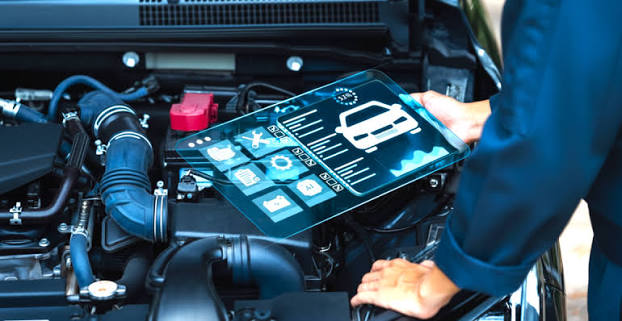
Another important aspect is communication. A great repair shop will keep you informed about what needs to be done and why. This transparency helps you understand the health of your fleet better and allows you to plan for expenses more effectively. Additionally, they should offer a warranty on their work, providing you with peace of mind that the job is done right.
Don’t underestimate the impact of downtime on your business. Every hour your truck is out of service can lead to lost revenue and unhappy customers. Building a relationship with a trusted diesel repair provider can help you stay ahead of potential issues. Regular check-ups and a proactive approach to maintenance can prevent emergencies, allowing you to keep your fleet running smoothly and efficiently.
In conclusion, diesel repair is not just about fixing problems as they arise; it’s about creating a strategy for the longevity and reliability of your commercial trucks. By prioritizing maintenance, choosing the right repair shop, and fostering a solid communication line, you can ensure your fleet is always ready to tackle the demands of the road.
…




 Introduction
 3. Projects Showcase